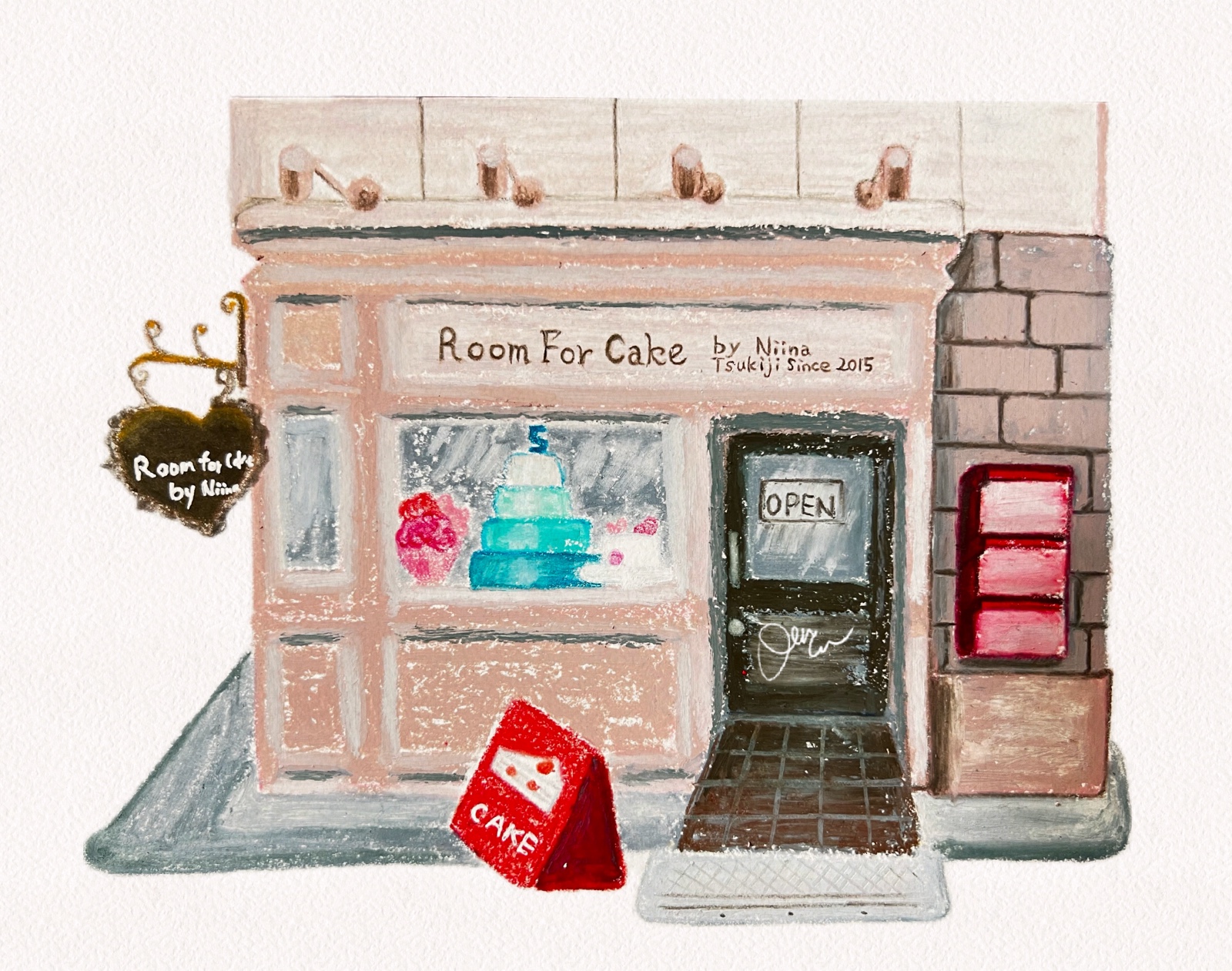
オイルパステルで描くケーキ屋 Room for Cake by Niina
JAY
hiddenotes
한국어 – 조금 늦게 시작한 그림이 나에게 가르쳐준 것들
When I was ten years old, an art teacher told me that I had no talent for art, after I had attended her drawing class for just a month.
Her words stayed with me for a long time and shaped how I saw myself: “I’m not good at drawing.”
For years, I found myself drawn to art and design, finding ways to stay close to them without actually drawing myself. Eventually, though, I couldn’t resist the urge to pick up a pencil and start drawing. But my lines were terrible, and I felt as though I was only confirming what she had told me all those years ago.
After a few years of drawing, I realized that what had affected me wasn’t just her words, but how I had taken them in and allowed myself to see my abilities through her eyes.
I still believe that other people’s evaluations can be important. They can inspire us to take a step forward, help us recognize something we might have overlooked, or show us how our work affects others.
But I also came to realize that what mattered most was how I felt about my own work. Was I satisfied with what I had created? Had I done the best I could at that particular moment?
Those became the questions I wanted to ask myself, rather than worrying so much about how others might judge my work.
Once I started drawing, nothing I saw around me seemed quite as mundane or ordinary anymore.
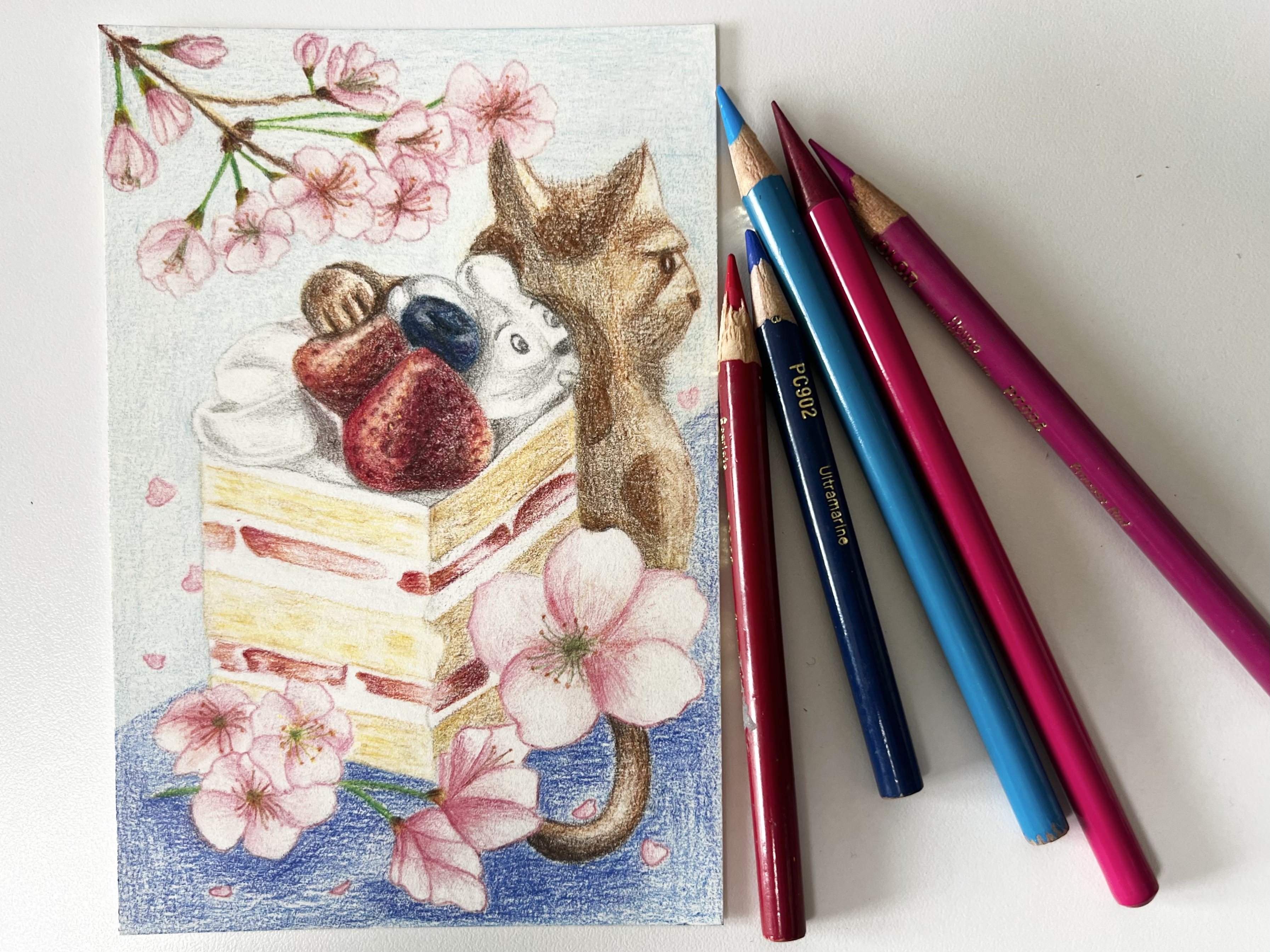
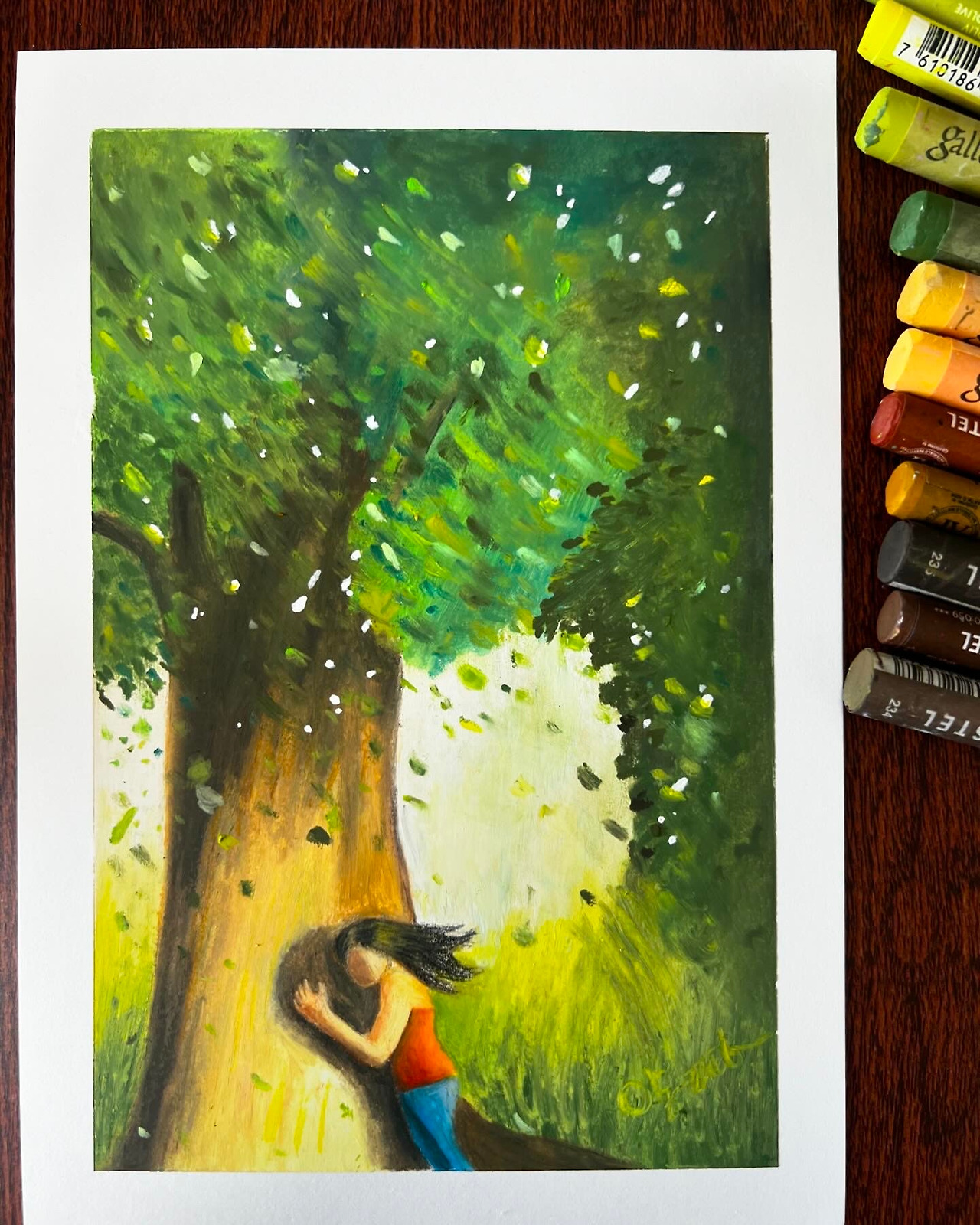
The shapes of things, their colors, the way light reflected off their surfaces, and how movement changed their appearance — everything became something I wanted to observe more closely. I found myself looking at things with intense curiosity, wondering how I might capture them in a drawing.
I also began to notice how every season had its own colors and something special about it. Things I had passed by countless times without a second thought suddenly became interesting.
The more I drew, the more I noticed. And the more I noticed, the more there seemed to be to enjoy in everyday life.
Even when my days seemed to repeat themselves like clockwork, I began to feel that there was always something new to discover.
In trying to express exactly what I envision, experimenting with new materials or digital brushes has become almost second nature to me.
Whenever I come across something that intrigues me, I want to give it a try. I’ve stopped spending so much time wondering whether I’ll be able to do it well. Instead, my curiosity takes over my fear, and I find myself reaching for it before I even know it.
Of course, once I start, things usually don’t go so well.
The first few days with a new material, the shaky lines, the awkward attempts — they often look terrible. But after going through this experience again and again, I’ve come to understand that this is simply part of the process.
I’ve started to recognize what I now think of as the messy middle. Not just the middle of a single drawing, but also the middle of learning something new, when I’m still figuring out how to use a particular material or draw a particular subject.
At that stage, everything can look messy and disappointing. But I’ve learned that the finished result isn’t always as bad as I imagined while struggling through it.
And even when it is, I know that my next attempt will probably be better.
Because somewhere in that mess, I’ve learned a thing or two — a new trick, a better way of handling the material, or something that helps me bridge the gap between what I imagined and what I can actually create with my hands.
With every attempt, that gap becomes a little smaller. And gradually, I’ve stopped seeing awkward beginnings and failed attempts as something to be afraid of.
Not being good at something no longer feels like a problem. Neither does trying something and failing at it.
In an age filled with AI-generated content and images, many might wonder why we still need to spend time learning to draw. But I must say, I feel freer than ever after teaching my second brain – my hands – to draw, and I have no plans to stop.